

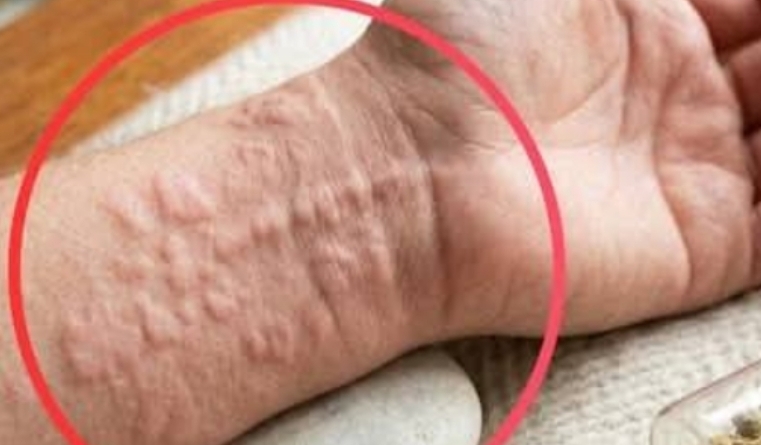
For two months, my son has been dealing with a worsening skin issue—and it started me thinking about the quiet, everyday routines that silently accumulate damage. That “harmless” habit you repeat every night before bed—scrolling in the dark, collapsing into bed with makeup still on, or burying your face into the pillow—might be doing more harm than you realize. While these behaviors often feel like harmless exhaustion or even self-care, they can quietly accelerate skin aging, trigger breakouts, and strain your eyes over time.
Let’s look at the most common bedtime missteps and how to gently correct them.
1. Sleeping with Makeup On
“Just this once…” quickly becomes a nightly pattern.
The impact: Makeup traps oil, pollutants, and dead skin cells, clogging pores and leading to breakouts, blackheads, and inflammation. Over time, the oxidative stress breaks down collagen, contributing to premature fine lines and dullness.
Eye risk: Flaking mascara or eyeliner can irritate the eyes, potentially causing micro-scratches on the cornea or triggering styes.
The fix: Keep micellar water and cotton pads within arm’s reach. Even a 30-second wipe removes the bulk of buildup and lets your skin breathe overnight.
2. Scrolling in a Pitch-Black Room
Scrolling in a Pitch-Black Room
Blue light against total darkness creates intense visual stress.
The impact: Your pupils are forced to constantly adjust between the bright screen and the dark room, leading to digital eye strain, dryness, and tension headaches. Meanwhile, blue light suppresses melatonin production, disrupting sleep cycles and robbing your skin of its crucial overnight repair window.
The fix: Activate night mode, lower your screen brightness, and keep a soft bedside lamp on to reduce harsh contrast. Follow the 20-20-20 rule: every 20 minutes, look at something 20 feet away for 20 seconds to reset your eyes.
3. Sleeping Face-Down or Heavily on One Side
The impact: Repeated pressure and friction against your pillow create “sleep wrinkles.” Over time, these temporary creases can etch into permanent lines.
Eye risk: Consistent pressure on one eye can temporarily elevate intraocular pressure, which is worth monitoring if you’re at risk for glaucoma or other eye conditions.
The fix: Gradually train yourself to sleep on your back—a contoured sleep pillow can help ease the transition. If side-sleeping is non-negotiable, switch to a silk or satin pillowcase to reduce friction, minimize skin creasing, and protect your hair from breakage.
4. Skipping Night Moisturizer (Even If You Have Oily Skin)
“I don’t want to feel greasy.”
The reality: Your skin’s natural repair cycle peaks between 10 PM and 2 AM—but it can only function optimally when properly hydrated. Without moisture, dehydrated skin overcompensates by producing excess oil, leading to clogged pores. A weakened moisture barrier also invites sensitivity, redness, and irritation.
The fix: Choose a lightweight, non-comedogenic moisturizer—gels or lotions work beautifully. Look for barrier-supporting ingredients like ceramides, hyaluronic acid, or niacinamide.
5. Not Washing Your Face After Sweating
Post-workout or a late walk? Leaving sweat on your skin is a fast track to breakouts.
Why it matters: Sweat mixes with natural oils, environmental pollutants, and bacteria, creating a perfect storm for inflamed pores—especially along the hairline, jaw, and cheeks.
The fix: If a full cleanse isn’t feasible, rinse with lukewarm water at minimum. Better yet, keep a pack of gentle, alcohol-free cleansing wipes in your gym bag or by your bedside.
A Gentle Reminder: Consistency Beats Perfection
You don’t need a ten-step routine or flawless discipline. One small, sustainable upgrade is often enough to shift the trajectory of your skin and eye health:
Tonight: Wash your face—even if it’s just with water.
This week: Practice sleeping on your back for just two nights.
This month: Swap your cotton pillowcase for silk or satin.
Your skin and eyes aren’t asking for perfection. They’re asking for steady, gentle care.
“The best skincare isn’t expensive—it’s consistent.”
Those “lazy” moments may seem harmless in isolation, but they accumulate—just as small, intentional acts of self-care do over time. Start small. Be patient. And remember: rest is deeply restorative, but only when we create the right conditions for it.
You deserve to wake up feeling refreshed, not quietly depleted.