

Engaging Introduction
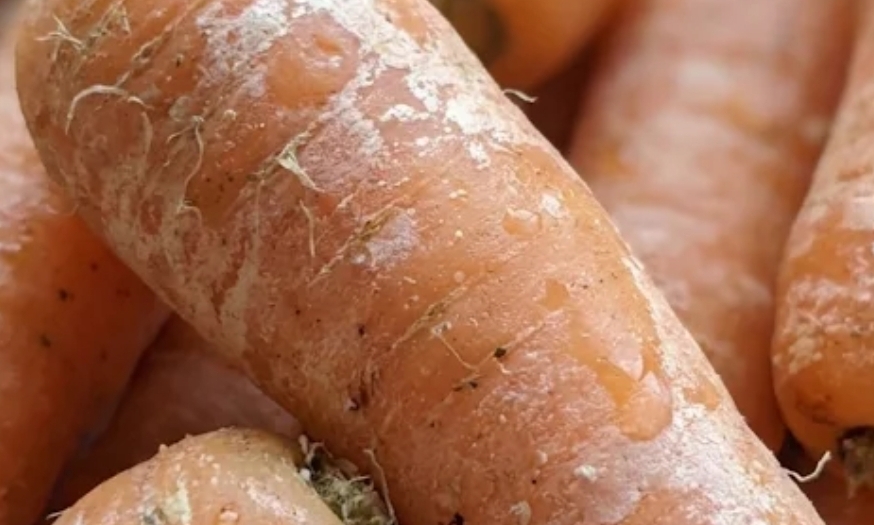
Fresh produce is expensive, and it’s extremely frustrating when you bring fruit and veggies home from the grocery store, only to have them go bad a couple of days later. When buying a bag of baby carrots, you may notice that before long, they become covered in a fuzzy white coating. And while many people (including myself) take this to mean that the carrots have gone bad, this isn’t actually the case.
I remember the first time I saw it. I opened a bag of baby carrots, reached in, and froze. The carrots were covered in a white, dusty-looking film. They looked… moldy. I tossed the whole bag in the trash, convinced I’d bought a spoiled product.
Then it happened again. And again. Every time I bought baby carrots, within a few days, that white coating appeared.
I assumed I was buying bad carrots. Or storing them wrong. Or that the grocery store was selling old produce.
Then I did some research. And what I learned surprised me.
That white coating isn’t mold. It’s not a sign of spoilage. It’s not even a problem.
Let me explain.
The Short Answer (What You Came For)
That white coating is called “carrot blush” or “white blush.” It’s not mold. It’s not bacteria. It’s not a sign that your carrots have gone bad.
What it actually is: Dehydration. Carrots have a high water content. When they start to lose some of their water, the surface dries out and turns white. This is especially common with baby carrots because they have a larger surface area relative to their volume.
Is it safe to eat? Yes. The carrots are perfectly safe. The white coating is just dried carrot tissue.
What to do: Rinse the carrots under cool water. The white coating will wash away, revealing the bright orange carrot underneath. Or simply eat them as is—the coating is harmless.
Why Baby Carrots Turn White (The Science)
Let me explain what’s happening at a microscopic level.
Carrots are mostly water. Fresh carrots are about 85-90% water. That water is held within the cell walls of the carrot tissue.
Baby carrots are peeled. Unlike full-sized carrots, baby carrots have had their outer skin (the protective layer) removed. This exposes the inner, water-rich tissue to air.
When the surface dries out: Water evaporates from the surface of the carrot. The dried tissue becomes opaque and white. This is the same process that makes your lips white when they’re chapped.
Why it looks fuzzy or powdery: The dehydrated surface cells can flake off, creating a powdery or slightly fuzzy appearance that resembles mold.
The key difference from mold: Mold is fuzzy, yes, but it’s also usually green, black, blue, or gray. It smells musty. It can be wiped off, but it leaves a stain or residue. Carrot blush is white, odorless, and rinses off easily with water.
How to Tell the Difference (Carrot Blush vs. Mold)
Let me give you a clear comparison.
Feature Carrot Blush (Safe) Mold (Unsafe)
Color White or pale gray Green, black, blue, dark gray
Texture Powdery, dry Fuzzy, slimy, or sticky
Smell No smell or normal carrot smell Musty, sour, or “off”
Can it be rinsed off? Yes, easily washes away No, may leave stains or residue
Does it spread? No, it’s on the surface only Yes, it spreads to other carrots
Is the carrot slimy? No Yes (often)
The bottom line: If the white coating rinses off easily and the carrot underneath is firm and bright orange, it’s carrot blush. Eat it.
If the coating is green, black, blue, or fuzzy, and the carrot feels slimy or smells bad—toss it.
How to Prevent Carrot Blush (Storage Tips)
Let me give you practical ways to keep your baby carrots fresher longer.
1. Keep Them Moist (But Not Wet)
Carrot blush is dehydration. The solution is to maintain moisture.
Store baby carrots in an airtight container (or keep the bag tightly sealed).
Add a damp paper towel to the container. The towel releases moisture, preventing the carrots from drying out.
Change the paper towel every few days to prevent mold.
2. Keep Them Cold
Carrots last longer in the refrigerator (32-40°F / 0-4°C). Don’t store them at room temperature.
3. Don’t Wash Until You’re Ready to Eat
Washing removes the protective moisture barrier. Wash baby carrots just before eating, not before storing.
4. Use Them Within 1-2 Weeks
Baby carrots are processed and peeled, so they don’t last as long as whole, unpeeled carrots. Plan to use them within 10-14 days.
5. Store Away from Ethylene-Producing Fruits
Fruits like apples, bananas, and pears release ethylene gas, which can cause vegetables to spoil faster. Keep carrots away from these fruits.
What About Full-Sized Carrots?
Full-sized, unpeeled carrots are less prone to white blush because they still have their protective skin. However, once you peel them, they will also develop white blush if stored exposed to air.
For full-sized carrots:
Store them in the refrigerator in a sealed bag or container.
Keep them unpeeled until ready to use.
If they do develop white blush after peeling, rinse them—they’re still fine.
When to Actually Toss Your Carrots (Red Flags)
Let me be clear about when carrots are truly spoiled.
Toss them if:
They are slimy or sticky to the touch.
They have a strong, unpleasant odor (sour, musty, or rotting).
They have visible mold (green, black, blue, or dark gray).
They are soft, mushy, or wrinkled (beyond just the surface).
They have dark spots or lesions.
Carrots that are still safe to eat:
White or pale gray coating (carrot blush)
Slightly bendy but not mushy
Small cracks or splits
Hairy roots (these are normal root hairs, not mold)
Frequently Asked Questions
Is carrot blush mold?
No. It’s dehydration. Mold is fuzzy, often colored, and smells musty. Carrot blush is white, powdery, and odorless.
Can I eat carrots with white blush without washing them?
Yes. The white coating is just dried carrot tissue. It’s harmless. But washing them will restore their bright orange color and crisp texture.
Why do only baby carrots get white blush?
Baby carrots are peeled, exposing the water-rich inner tissue to air. Full-sized carrots have a protective skin that slows dehydration.
Does white blush mean the carrots are old?
Not necessarily. Baby carrots can develop white blush within a few days of processing. It’s a sign of moisture loss, not age.
Can I reverse carrot blush?
Yes. Soak the carrots in cold water for 10-15 minutes. They will reabsorb moisture and the white coating will disappear.
How long do baby carrots last in the fridge?
1-2 weeks, depending on storage conditions. Use an airtight container and add a damp paper towel to extend freshness.
Are baby carrots less healthy than full-sized carrots?
No. Baby carrots are just full-sized carrots that have been peeled, cut, and shaped. They’re nutritionally identical to full-sized carrots.
A Reassuring, Waste-Reducing Conclusion
Here’s what I want you to take away from this article.
That white coating on your baby carrots is not mold. It’s not a sign that you bought bad produce. It’s not a reason to toss a perfectly good bag of carrots.
It’s just dehydration. The carrots are thirsty.
Rinse them. Eat them. Enjoy them.
And the next time you see that white, powdery coating, you’ll know the truth. You’ll save money. You’ll waste less food. And you’ll stop tossing perfectly good carrots.
Now go eat those baby carrots. They’re fine.
Now I’d love to hear from you. Have you thrown away baby carrots because of the white coating? Did you think it was mold? What’s your favorite way to use baby carrots? Drop a comment below – I read every single one.
And if this article saves you from tossing a bag of carrots, please share it with a friend who’s made the same mistake. A text, a link, a conversation. Good information is meant to spread. 🥕💧🧡