

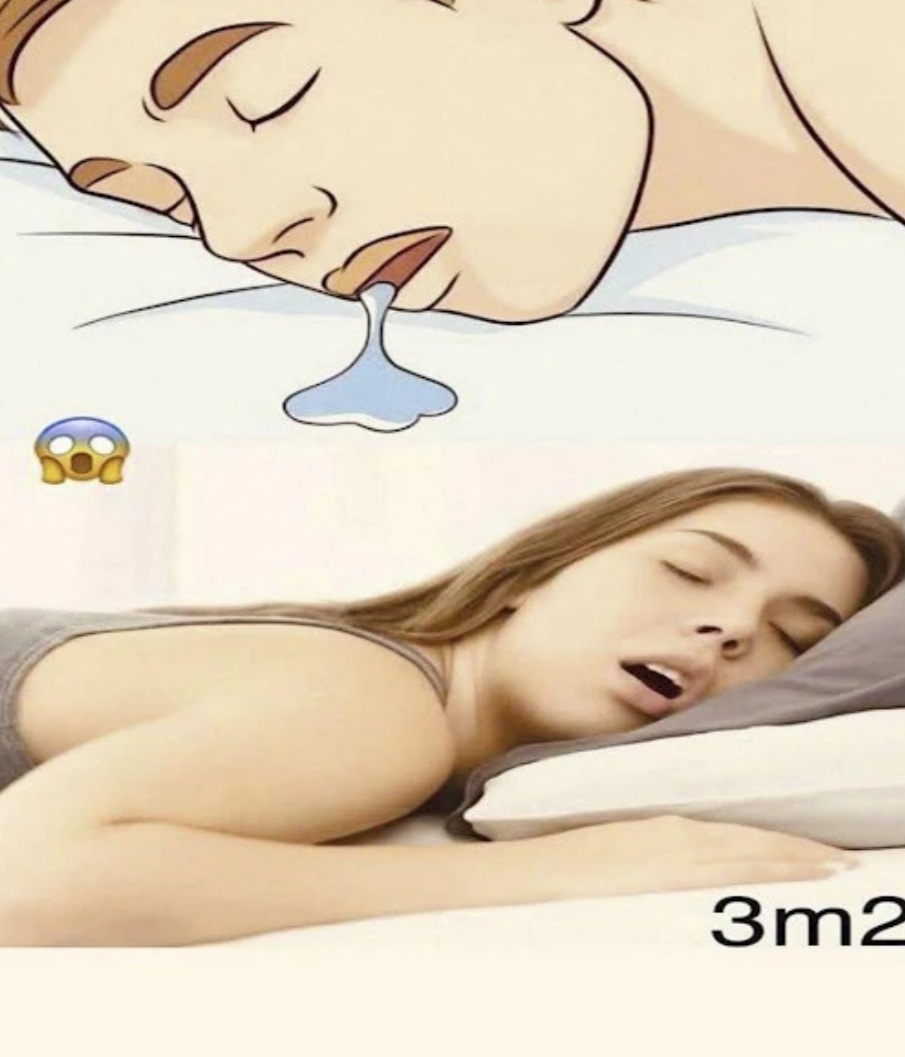
You wake up.
Your pillow is damp. And for a split second, you feel embarrassed.
But here’s the truth: 👉 Drooling during sleep — also known as nocturnal sialorrhea — is incredibly common. It’s not a flaw. It’s not poor hygiene. It’s just part of how your body and brain work while you rest.
In fact, nighttime drooling tells us something fascinating about sleep:
As your brain cycles through deep stages, it lets go of conscious control — including how tightly your mouth stays closed.
Let’s explore what really happens in your brain and body during sleep that leads to drooling — so you can stop worrying and start understanding.
Because real wellness isn’t about perfection. It’s about accepting the quiet, natural rhythms of being human.
🔬 Why Do We Drool While Sleeping?
Saliva plays a vital role:
- Keeps your mouth moist
- Aids digestion
- Protects teeth from decay
During the day, you swallow automatically every few seconds — a reflex controlled by your brainstem.
But at night? That system changes.
Here’s What Happens:
🧠 So even if saliva production doesn’t increase, the reduced muscle tone + infrequent swallowing = more chance for leakage.
This isn’t a malfunction — it’s normal neurology.
🛏️ Common Causes of Nighttime Drooling
While occasional drooling is normal, some factors make it more likely:
💡 For most people, drooling is simply due to relaxation, posture, or congestion — not illness.
🧠 Is Drooling a Sign of Brain Activity?
Yes — but not in the way myths suggest.
Drooling doesn’t mean your brain is “telling” you something symbolic. Instead, it reflects real-time neurological processes:
- The brainstem regulates automatic functions like breathing and swallowing
- The pons (in the brain) triggers muscle atonia during REM sleep
- Sensory signals from the mouth are still monitored — but responses are delayed until you wake up
So yes — your brain knows there’s saliva building up. But it prioritizes rest over small leaks.
Think of it like auto-pilot: minor issues get handled later.
❌ Debunking the Myths
✅ How to Reduce Drooling (If Desired)
You don’t need to fix what’s normal — but if it bothers you, try these gentle solutions:
🛌 Tip: Use a washable pillow protector — simple and practical!
When to See a Doctor
Talk to a healthcare provider if you notice:
- Sudden onset of excessive drooling
- Difficulty swallowing or speaking
- Facial weakness or numbness
- Associated tremors, stiffness, or balance issues
🩺 These could indicate a neurological condition worth evaluating — but isolated drooling is rarely a red flag.
Final Thoughts
You don’t need to feel embarrassed about drooling at night.
It doesn’t mean you’re unwell. It doesn’t mean you’re weak. It just means you’re deeply asleep — and your body is doing exactly what it should.
So next time you wake up to a little moisture on your pillow… smile.
Then maybe flip it over and go back to sleep.