

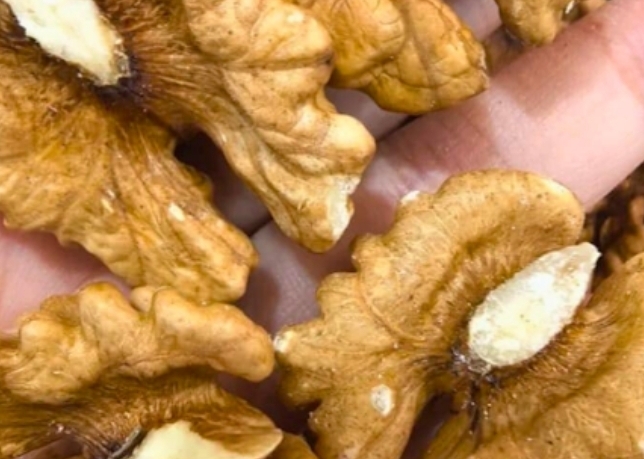
You’ve seen them—those wrinkled, brain-shaped nuts tucked into trail mix or sprinkled over salads.
But walnuts are far more than a crunchy snack.
They’re one of nature’s most powerful superfoods, backed by decades of medical research and praised by cardiologists, neurologists, and nutritionists alike.
And when doctors say, “Eat more walnuts,” they’re not just talking about snacking.
They’re talking about:
Lowering heart disease risk
Boosting brain power
Fighting chronic inflammation
Supporting gut health
Balancing blood sugar
Even improving mood
Let’s uncover what happens inside your body when you eat walnuts—and why this humble nut might be the smartest handful you’ll ever eat.
1. A Heart-Healthy Powerhouse
Walnuts reign supreme as the #1 nut source of plant-based omega-3 fatty acids, specifically alpha-linolenic acid (ALA)—a type of fat essential for cardiovascular wellness.
What ALA does for your heart:
Reduces inflammation in blood vessels
Lowers “bad” LDL cholesterol and triglycerides
Improves artery flexibility (endothelial function)
Helps regulate blood pressure
The Science:
A landmark study published in the Journal of the American Heart Association found that eating just 1 ounce of walnuts daily (about 14 halves) significantly reduced total cholesterol, LDL, and triglyceride levels—all major risk factors for heart attack and stroke.
Doctors’ Take:
Doctor’s Insight:
“Think of walnuts as brain fertilizer—they feed your mind on a cellular level.”
2. Promotes a Healthy Gut Microbiome
Your gut loves walnuts—literally.
While some of the fat passes through undigested, it acts as prebiotic fiber, feeding the good bacteria in your digestive tract.
What happens in your gut:
Feeds beneficial strains like Lactobacillus and Bifidobacterium
Increases microbial diversity—a key marker of gut health
Reduces gut inflammation
Strengthens the gut-brain axis, influencing mood and immunity
Pro Tip:
Pair walnuts with yogurt, kefir, or sauerkraut for a double boost of probiotics + prebiotics.
3. May Help With Weight Management
Despite being calorie-dense, walnuts don’t lead to weight gain—in fact, they may help prevent it.
How walnuts support healthy weight:
High in protein and fiber → keeps you full longer
Triggers satiety hormones like leptin
Studies show regular nut eaters gain less weight over time
Improve metabolic markers even without weight loss
No, walnuts won’t make you fat—unless eaten in massive excess.
Portion tip: Stick to 1 oz per day (about 14 halves) for maximum benefit with minimal calorie impact.
4. Supports Blood Sugar Balance
Walnuts have a low glycemic index and contain healthy fats that slow down sugar absorption—making them ideal for metabolic health.
Benefits for blood sugar control:
Stabilizes glucose spikes after meals
Improves insulin sensitivity
Linked to lower risk of type 2 diabetes
Perfect paired with fruit, oatmeal, or whole grains to avoid energy crashes
Perfect for anyone managing prediabetes—or just trying to stay sharp and steady throughout the day.
How to Add Walnuts to Your Daily Routine
Make walnuts part of your everyday life with these simple ideas:
Morning Boost
Sprinkle on oatmeal, Greek yogurt, or smoothie bowls
Blend into homemade granola or chia pudding
Salad Crunch
Toss into spinach salads with apples, goat cheese, and balsamic
Add to grain bowls or quinoa salads
Smart Snack
Handful with an apple, banana, or pear
Mix into DIY trail mix with dark chocolate chips
Baking Buddy
Fold into muffins, banana bread, or energy balls
Use finely chopped as a crust for cheesecakes or pies
Nutty Crust
Pulse in a food processor and use as a coating for baked chicken or fish
Toast them lightly (350°F for 8–10 mins)—it deepens flavor and crunch!
Who Should Be Cautious?
While walnuts are safe and beneficial for most people, keep these points in mind:
Tree nut allergies: Walnuts are a common allergen. Avoid completely if allergic.
Calorie density: Healthy doesn’t mean unlimited. Stick to recommended portions.
Blood thinners: Walnuts are high in vitamin K, which can interfere with warfarin. If you’re on anticoagulants, talk to your doctor about consistent intake.
Final Thought: Sometimes, the Best Medicine Comes in a Shell
You don’t need expensive supplements or miracle pills to boost your health.
Just a handful of walnuts a day.
Because true wellness isn’t about extremes.
It’s about small, consistent choices that add up over time.
So next time you reach for a snack…
Skip the chips.
Grab a few walnuts.
And give your heart, brain, and body the nourishment they truly deserve.
After all, the most powerful medicine might not come in a bottle—
It might come in a shell.