

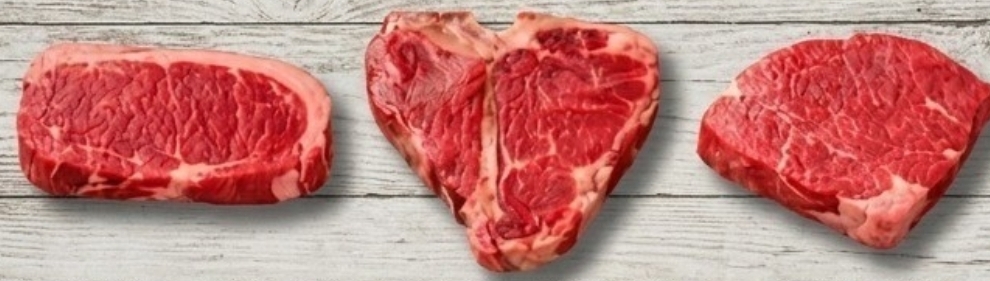
Ribeye, Filet, or Strip? The Ultimate Steak Debate Explained
Few topics spark as much passionate discussion among steak lovers as this one: what is the best cut of steak?
Ask a group of people whether they prefer ribeye, filet mignon, or New York strip, and you’ll quickly hear strong opinions. Some swear by the rich marbling of ribeye. Others insist nothing beats the tenderness of filet. And many argue that strip steak offers the perfect balance of both worlds.
So who is right?
The truth is, there is no single “best” steak cut. Each one offers a different experience shaped by texture, flavor, fat content, and cooking style. Understanding these differences is the key to choosing the right steak for your taste—not someone else’s opinion.
Let’s break down the ultimate steak debate in a way that actually helps you decide what belongs on your plate.
What Makes a Great Steak in the First Place?
Before comparing cuts, it’s important to understand what gives steak its appeal.
A great steak is usually judged by three main qualities:
Flavor – how rich, beefy, and satisfying it tastes
Tenderness – how easy it is to chew
Juiciness – how much moisture and fat it retains
Different cuts of beef balance these qualities differently depending on where they come from on the cow.
Muscles that do less work tend to be more tender. Muscles that are more active develop stronger flavor but can be firmer.
This trade-off is at the heart of the steak debate.
Ribeye: The King of Flavor
Ribeye is often considered the most flavorful steak cut—and for good reason.
It comes from the rib section of the cow, a part that contains a high amount of intramuscular fat, also known as marbling.
This marbling is what gives ribeye its signature richness.
What Ribeye Tastes Like
A properly cooked ribeye is:
Rich and buttery
Juicy and tender
Deeply beefy in flavor
As it cooks, the fat melts into the meat, essentially basting it from the inside. This creates a luxurious texture that many steak lovers crave.
Why People Love Ribeye
Ribeye is popular because it delivers:
Maximum flavor
High juiciness
A forgiving cooking process
Even if slightly overcooked, ribeye tends to stay moist due to its fat content.
Downsides of Ribeye
Despite its strengths, ribeye isn’t for everyone.
Some downsides include:
Higher fat content may feel too rich for some
Less uniform texture
Can be “heavy” compared to leaner cuts
If you prefer clean, lean meat, ribeye might feel overwhelming.
Filet Mignon: The Most Tender Cut
Filet mignon comes from the tenderloin, a muscle that does very little work.
Because of this, it is incredibly soft and delicate compared to other cuts.
It is often considered the most tender steak available.
What Filet Tastes Like
Filet mignon is:
Mild in flavor
Extremely tender
Lean and delicate
Unlike ribeye, it does not rely on fat for flavor. Instead, it offers a clean, subtle beef taste with a soft texture.
Why People Love Filet
Filet mignon is ideal for people who value:
Soft texture over strong flavor
Leaner meat options
A refined dining experience
It is often served in fine dining restaurants because of its elegant texture.
Downsides of Filet
Filet is not without criticism.
Some common drawbacks include:
Less flavor compared to other cuts
Lower fat content means less juiciness
Can feel “too mild” for some steak lovers
Many people describe filet as “buttery but quiet”—pleasant, but not bold.
New York Strip: The Balanced Middle Ground
The New York strip (also called strip steak) comes from the short loin.
It sits between ribeye and filet in both flavor and tenderness.
This makes it one of the most balanced steak options available.
What Strip Steak Tastes Like
Strip steak is:
Flavorful with moderate marbling
Less fatty than ribeye but richer than filet
It has a noticeable beef flavor without being overly rich.
Why People Love Strip Steak
The strip is popular because it offers:
A balance of tenderness and flavor
A satisfying chew without toughness
A leaner profile than ribeye
It’s often considered the “safe choice” for steak lovers who want reliability.
Downsides of Strip Steak
While balanced, it is not perfect.
Some drawbacks include:
Less tender than filet
Less juicy than ribeye
Can be slightly firmer depending on cooking
It sits in the middle—but that also means it doesn’t dominate in any one category.
Head-to-Head Comparison
Let’s break the three cuts down side by side.
Flavor
Ribeye: ⭐⭐⭐⭐⭐ (rich, buttery, intense)
Strip: ⭐⭐⭐⭐ (beefy, balanced)
Filet: ⭐⭐ (mild, subtle)
Winner: Ribeye
Tenderness
Filet: ⭐⭐⭐⭐⭐ (extremely soft)
Ribeye: ⭐⭐⭐⭐ (tender with fat)
Strip: ⭐⭐⭐ (moderately firm)
Winner: Filet
Juiciness
Ribeye: ⭐⭐⭐⭐⭐ (high fat content)
Strip: ⭐⭐⭐⭐ (moderate fat)
Filet: ⭐⭐ (lean)
Winner: Ribeye
Balance
Ribeye: Rich but heavy
Filet: Soft but mild
Strip: Well-balanced
Winner: Strip
How Cooking Changes Everything
Even the best cut can be ruined—or elevated—by cooking technique.
Ribeye Cooking Tips
Best cooked:
Medium-rare to medium
Seared hot to render fat
Avoid overcooking, or it may become greasy.
Filet Cooking Tips
Best cooked:
Medium-rare
Often wrapped in bacon for added fat
Because it is lean, overcooking dries it out quickly.
Strip Steak Cooking Tips
Best cooked:
Medium-rare to medium
High heat sear for crust