

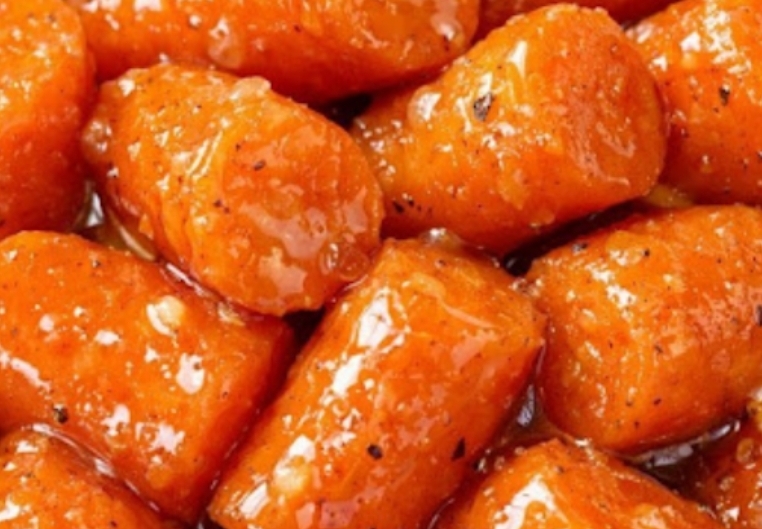
There’s a quiet kind of magic in recipes that require almost nothing but deliver pure, seasonal satisfaction. My mother-in-law makes this dish every spring, and without fail, the skillet is scraped clean before it ever leaves the kitchen. With just three humble ingredients, these honey-glazed carrots transform early-harvest vegetables into something glossy, tender, and deeply comforting. It’s the kind of side dish that proves you don’t need complexity to make a lasting impression—just a good pan, a little patience, and the willingness to let simple ingredients shine.
Cultural Context
Honey and butter have long been the classic companions to spring root vegetables across European and American farmhouse kitchens. Before elaborate sauces or heavy creams became commonplace, home cooks relied on the natural sweetness of young carrots, enhanced gently with pantry staples. This preparation honors that heritage: a nod to seasonal simplicity, where the vegetable itself remains the star, and the glaze merely coaxes out its best qualities. It’s a recipe that travels beautifully through generations, rarely written down but always remembered by taste.
Why You’ll Love This Recipe
Only three core ingredients plus a pinch of salt
Ready in under twenty minutes with a single skillet
Highlights seasonal produce without masking its natural flavor
Naturally gluten-free and vegetarian
Consistently earns quiet compliments and empty pans
Effortlessly scales for family dinners or holiday tables
Ingredients
Ingredients
1 lb (450g) carrots, peeled and sliced into uniform ¼-inch coins
3 tbsp unsalted butter
2 tbsp honey
Pinch of fine salt (to balance sweetness)
Step-by-Step Instructions
Sauté the Carrots: Place a large skillet over medium heat and melt the butter. Add the carrot coins and a pinch of salt, stirring gently until evenly coated. Cook for 8 to 10 minutes, stirring occasionally, until the carrots begin to soften around the edges but still retain a slight bite.
Create the Glaze: Drizzle the honey evenly over the carrots. Reduce the heat to medium-low and continue cooking for 5 to 8 minutes, stirring gently to prevent sticking. The honey will reduce, thicken, and coat each piece in a glossy, caramel-like finish. If the mixture begins to look too thick or sticky, stir in one tablespoon of water to loosen the glaze.
Serve Warm: Transfer the carrots to a serving dish while the glaze is still fluid and luminous. The dish is best enjoyed immediately, when the carrots are tender, warm, and beautifully coated.
Serving Suggestions
Classic pairings: Roasted chicken, glazed ham, herb-crusted pork loin, or baked fish
Fresh balance: Toss with a handful of chopped parsley, chives, or fresh thyme just before serving
Spring table: Serve alongside creamy mashed potatoes, quinoa pilaf, or a simple green salad with lemon vinaigrette
Occasion-ready: Easter dinners, Sunday family meals, or weeknight suppers that need a quick, elegant side
You Must Know
Uniform slicing ensures even cooking: Aim for consistent ¼-inch rounds so no pieces overcook or remain underdone.
Watch the heat once honey is added: Honey caramelizes and burns quickly at high temperatures. Medium-low is essential for a smooth, glossy finish.
Don’t overcrowd the pan: If doubling the recipe, use a larger skillet or cook in batches. Crowding causes the carrots to steam rather than glaze.
The glaze thickens as it cools: Serving immediately preserves that luminous, fluid coating that makes the dish so appealing.
Storage Tips
Refrigerator: Store cooled leftovers in an airtight container for up to 3 days. The glaze will firm up when chilled.
Reheating: Warm gently in a skillet over low heat with a splash of water or broth to restore the glaze’s consistency. Avoid high microwave settings, which can cause the honey to separate.
Freezer: Not recommended. Carrots become mushy and the honey-butter emulsion separates upon thawing.
Make-ahead strategy: Peel and slice carrots up to a day in advance. Store submerged in cold water in the refrigerator, then drain and pat thoroughly dry before cooking to ensure proper browning.
Frequently Asked Questions
Q: Can I substitute maple syrup for honey?
A: Yes. Maple syrup works beautifully and adds a slightly deeper, woodsy sweetness. Keep the heat low, as maple syrup also caramelizes quickly.
Q: Can I use baby carrots instead of whole carrots?
A: Yes. If using whole baby carrots, slice them in half lengthwise to increase surface area and ensure even glazing. Cooking time may vary slightly.
Q: Is this recipe dairy-free or vegan?
A: Easily adapted. Replace unsalted butter with a high-quality plant-based butter or extra-virgin olive oil. The glazing technique remains identical.
Q: Why did my carrots burn or turn bitter?
A: This typically happens if the heat is too high after adding the honey, or if the skillet is left unattended. Keep the flame low, stir frequently, and remove from heat the moment the glaze reaches your desired consistency.
Q: Can I add herbs or spices?
A: Absolutely. Fresh thyme, rosemary, or a light crack of black pepper complement the sweetness beautifully. Add herbs during the last two minutes of cooking to preserve their aromatic qualities.
Allergy Information
Contains: Dairy (butter)
Naturally: Gluten-free, egg-free, nut-free, soy-free
Substitutions:
Dairy-free/vegan: Use plant-based butter or olive oil
Lower sugar: Reduce honey to 1 tablespoon and add a pinch of warm spices for depth
Always verify packaging for cross-contact warnings if managing severe allergies.
Final Thoughts
Honey-Glazed Spring Carrots is a quiet celebration of seasonal simplicity. It doesn’t demand exotic ingredients, complicated techniques, or hours of preparation. It only asks for a few honest staples, a watchful eye, and the patience to let heat and honey transform humble vegetables into something luminous.
Make it when the first spring carrots arrive at the market, bring it to a holiday table, or simply keep it ready for weeknights that call for something familiar yet elevated. If you try this recipe, I would love to hear how you serve it. Did you add fresh thyme? Pair it with roasted lamb? Share your kitchen story, and if you know someone who still treasures the quiet magic of seasonal cooking, pass this along.
Because sometimes, the most memorable dishes aren’t about doing more. They’re about letting a few good ingredients, a little heat, and the rhythm of the season do the work.