

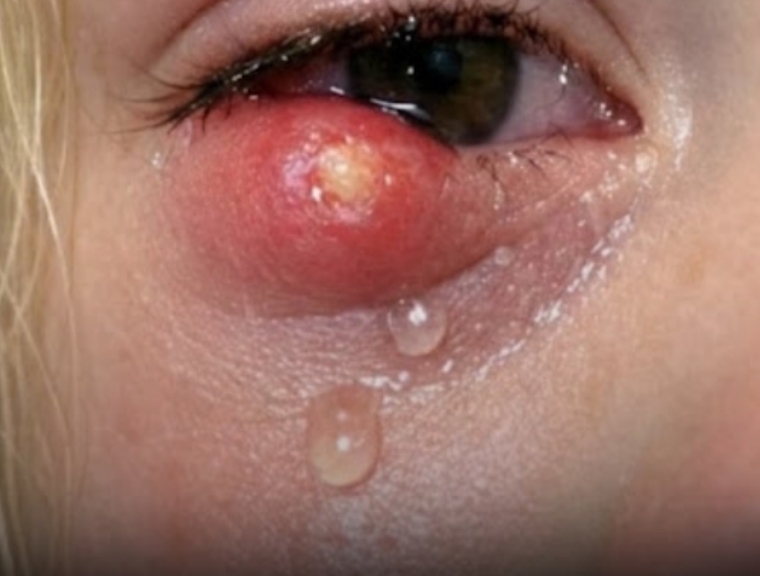
Let’s talk about something that can make any parent’s heart skip: noticing a sudden lump on your child’s eyelid. Maybe you saw it while washing their face. Maybe they complained of tenderness. Maybe it just appeared overnight.
First, take a deep breath. Most eyelid lumps in children are harmless, temporary, and easily managed. But your instinct to pay attention is wise—eyes are delicate, and early awareness helps ensure the best care.
This article isn’t meant to diagnose. It’s meant to inform, empower, and guide you with compassion and clarity. Let’s walk through common causes, gentle home care, and clear signs that it’s time to call the pediatrician.
Cultural Context
For generations, conversations about children’s eye health have often been wrapped in worry or whispered uncertainty. Many parents grew up hearing phrases like “don’t touch your eyes” or “it’ll go away on its own”—advice that, while well-intentioned, doesn’t always equip us with the knowledge to respond confidently.
Today, a more informed, compassionate approach is emerging—one that honors parental intuition while grounding decisions in evidence-based guidance. This shift reflects a broader movement toward empowered caregiving: not just reacting to symptoms, but understanding them; not just seeking reassurance, but building literacy. This article is part of that journey—offering clarity without alarm, and support without judgment.
Why This Matters
Reduces parental anxiety: Knowing common causes helps replace fear with informed action.
Supports timely care: Recognizing warning signs ensures your child gets help when it’s needed.
Promotes gentle, effective home care: Simple comfort measures can speed healing for minor issues.
Builds body literacy for your child: Teaching gentle eye hygiene now supports lifelong health habits.
Validates your instincts: Your attentiveness is a strength. This guide helps you channel it wisely.
Common Causes of Eyelid Lumps in Children
Common Causes of Eyelid Lumps in Children
1. Stye (Hordeolum) – The Most Common Culprit
What it is: A small, red, tender bump near the edge of the eyelid, caused by a blocked oil gland or minor bacterial infection.
What it looks like:
Red, pimple-like bump (may have a white or yellow head)
Tender or painful to touch
May cause mild swelling, tearing, or light sensitivity
Often appears suddenly overnight
Why it happens: Rubbing eyes with unwashed hands, blepharitis (eyelid inflammation), or minor gland blockage.
Typical course: Usually resolves on its own in 3–7 days with warm compresses.
2. Chalazion – The “Quiet Cousin” of a Stye
What it is: A firm, painless lump deeper in the eyelid, caused by a blocked meibomian (oil) gland.
What it looks like:
Smooth, round bump away from the eyelid edge
Usually not painful (may feel slightly tender early on)
Can grow slowly over days or weeks
May cause mild blurring if large enough to press on the eye
Why it happens: Chronic gland blockage; sometimes follows a stye.
Typical course: May take weeks to resolve; warm compresses help. Persistent cases may need medical evaluation.
3. Milia – Tiny White Bumps
What it is: Small, white or yellowish cysts filled with keratin, common in infants and young children.
What it looks like:
Tiny (1–2 mm), firm, pearly-white bumps
Usually on the upper eyelid or around the eyes
Not red, tender, or inflamed
Why it happens: Immature skin shedding; completely benign.
Typical course: Usually disappears on its own within weeks to months. No treatment needed.
4. Insect Bite or Allergic Reaction
What it is: Localized swelling from a mosquito bite, minor trauma, or contact allergen (soap, lotion, pollen).
What it looks like:
Sudden, soft swelling (may be itchy)
Possible redness or mild warmth
Often improves within 24–48 hours
Why it happens: Histamine response to bite or irritant.
Typical course: Resolves quickly with gentle care; antihistamines may help if recommended by a provider.
5. Preseptal Cellulitis – Less Common, Needs Attention
What it is: A bacterial infection of the eyelid skin and soft tissues in front of the eye socket.
What it looks like:
Diffuse redness, warmth, and swelling of the eyelid
May be tender; child may have mild fever
Eye itself usually moves normally and vision is unaffected
Why it happens: Bacteria entering through a small cut, insect bite, or sinus infection.
Typical course: Requires prompt medical evaluation and often oral antibiotics.
You Must Know: When to Contact a Healthcare Provider
While most eyelid lumps are benign, certain signs warrant professional evaluation:
Call your pediatrician or eye doctor if:
The lump is rapidly growing, very painful, or spreading redness
Your child has fever, vision changes, or eye pain
The eye itself is red, bulging, or difficult to move
Swelling closes the eye or interferes with vision
The lump doesn’t improve after 7–10 days of warm compresses
Your child is under 3 months old (any eye concern deserves prompt attention)
Seek urgent care if:
Your child has severe pain, high fever, or appears ill
The eye is protruding or vision is suddenly blurred
You suspect a foreign object or injury
Serving Suggestions: Gentle Home Care Tips (For Mild, Likely Benign Lumps)
If the lump appears to be a simple stye or chalazion and your child is otherwise well, these comfort measures may help:
Warm compresses: Use a clean washcloth soaked in warm (not hot) water. Gently hold against the closed eyelid for 5–10 minutes, 3–4 times daily. This encourages drainage and soothes discomfort.
Keep hands clean: Gently remind your child not to rub or squeeze the lump. Wash hands frequently to prevent spreading bacteria.
Avoid makeup or lotions: Skip eye creams, makeup, or scented products near the area until it resolves.
Use a clean towel daily: Prevent reinfection by using fresh linens.
Comfort measures: If your child is uncomfortable, ask your pediatrician about age-appropriate pain relief (like acetaminophen).
Do NOT:
Squeeze, pop, or puncture the lump
Apply undiluted essential oils, herbal remedies, or “natural” pastes near the eye
Use leftover antibiotic ointments without medical guidance
Ignore worsening symptoms
Storage Tips: Prevention & Long-Term Eye Wellness
Build gentle hygiene habits: During bath time, softly wipe your child’s closed eyelids with a warm, damp cloth to remove debris and support gland health.
Teach hand awareness: Encourage regular handwashing and gentle reminders not to rub eyes—especially during allergy season or after outdoor play.
Manage allergies proactively: If your child has seasonal allergies, work with your pediatrician on a plan to reduce itching and rubbing.
Keep linens fresh: Change pillowcases and towels regularly to minimize bacterial exposure.
Model calm responses: Children take cues from us. Responding to minor concerns with steady reassurance helps them feel safe and builds trust in their own bodies.
Frequently Asked Questions
Q: Can styes be prevented?
A: Good eyelid hygiene helps. Gently clean your child’s eyelids with a warm, damp cloth during bath time. Teach handwashing and discourage eye-rubbing.
Q: Are styes contagious?
A: The bacteria involved (usually Staphylococcus) are common on skin. While not highly contagious, avoid sharing towels or washcloths during an active stye.
Q: Will a chalazion leave a scar?
A: Rarely. Most resolve without scarring. Persistent or recurrent chalazia should be evaluated by an eye specialist.
Q: Can allergies cause eyelid lumps?
A: Allergies typically cause diffuse swelling or itching, not a discrete lump. However, rubbing due to allergies can contribute to styes.
Q: Should I use over-the-counter eye drops?
A: Avoid using any eye drops (including “redness relief” drops) in children without consulting a healthcare provider first.
Q: How do I apply a warm compress to a wiggly toddler?
A: Make it playful! Try singing a short song while holding the compress, or let them hold a clean, warm (not hot) washcloth to their own eye with your guidance. Consistency matters more than perfection.
Allergy Information: Important Medical Considerations
This article is for informational purposes only and is not a substitute for professional medical advice, diagnosis, or treatment.
Always seek the guidance of your pediatrician, ophthalmologist, or other qualified health provider with any questions you may have regarding your child’s eye health, lumps, swelling, or symptoms of concern.
Never disregard professional medical advice or delay seeking care because of something you have read here.
Individual experiences vary: Children’s anatomy, immune responses, and healing timelines differ. Personalized medical evaluation is essential for persistent, worsening, or concerning symptoms.
Noticing something unusual on your child can stir worry—and that’s okay. Your attentiveness is a gift. Most eyelid lumps are minor blips in your child’s health journey, not signs of something serious.
But you don’t have to navigate uncertainty alone. When in doubt, reach out. A quick call to your pediatrician can bring clarity, comfort, and a clear plan.
However this unfolds, you’re doing great. Your love, your observation, and your willingness to seek understanding—that’s already powerful care.
If this article brought you clarity or calm, I’d love to hear from you. What questions do you still have? What has your experience been like? Drop a comment below. And if you know another parent navigating this concern, please share this with them.