

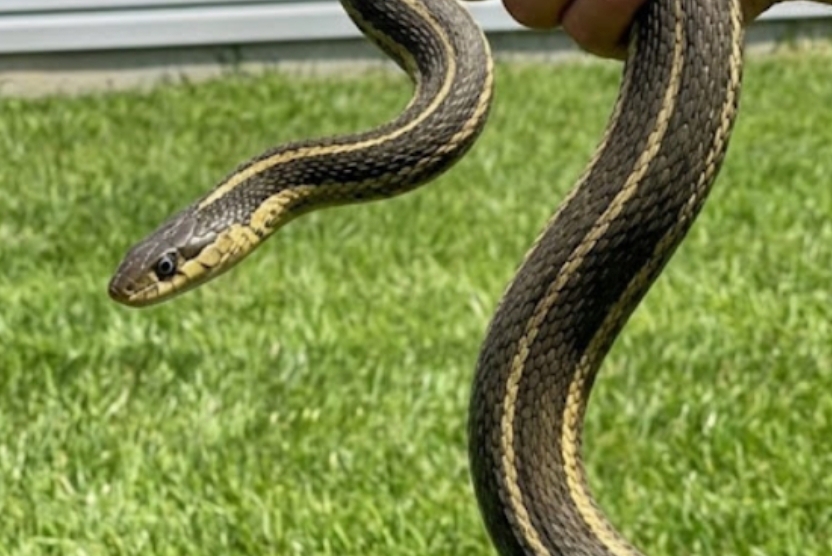
Snakes don’t enter yards out of aggression—they’re simply looking for what all wildlife needs: shelter, water, and food. When your outdoor space offers cool hiding spots, standing water, or an easy meal of rodents and insects, it becomes an inviting rest stop.
The good news? You don’t need harsh chemicals, traps, or fear-driven myths to encourage snakes to move along. By making thoughtful, humane adjustments to your landscape, you can reduce snake activity while still honoring the balance of your local ecosystem.
Here are eight practical, wildlife-friendly strategies to create a yard that’s comfortable for you—and uninteresting to snakes.
1. Eliminate Hiding Spots
Snakes seek out cool, dark, undisturbed places to rest and regulate their body temperature. Removing these refuges is the most effective first step.
Do this:
Keep grass mowed short and edges trimmed
Clear away piles of wood, rocks, leaves, or construction debris
Store firewood on elevated racks, at least 20 feet from your home
Trim dense shrubs, ivy, or ground cover near foundations and walkways
2. Control Rodent Populations
Control Rodent Populations
Mice, rats, and moles are a primary food source for many snakes. Reduce the buffet, and you reduce the reason for snakes to visit.
Do this:
Seal gaps in your home’s foundation, siding, or roofline
Use tightly covered trash and compost bins
Clean up fallen fruit, spilled birdseed, or leftover pet food outdoors
Consider humane rodent deterrents like ultrasonic devices or natural repellents (peppermint oil, predator urine)
3. Reduce Moisture and Standing Water
Especially in dry climates, snakes are drawn to reliable water sources. Limiting accessible moisture makes your yard less appealing.
Do this:
Fix leaky faucets, hoses, or irrigation systems promptly
Avoid overwatering lawns and garden beds
Empty bird baths, buckets, plant saucers, or kiddie pools when not in active use
Ensure proper drainage in low-lying areas to prevent puddles
4. Seal Entry Points
Snakes are remarkably flexible—they can squeeze through openings as small as a quarter. Closing these gaps prevents them from moving from your yard into your home.
Do this:
Inspect your foundation, garage doors, utility penetrations, and crawl spaces
Seal cracks with caulk, steel wool, or fine mesh hardware cloth
Install tight-fitting door sweeps on exterior doors
Cover vents and chimney openings with snake-proof screening
5. Use Natural Repellents—With Realistic Expectations
Certain scents may discourage snakes, though results vary by species and environment. Think of these as supportive tools, not guaranteed solutions.
Try these (reapply after rain or heavy dew):
Clove or cinnamon oil: Mix 10–15 drops with water in a spray bottle and apply around perimeter edges
White vinegar: Spray along foundation lines, especially near water features or entry points
Garlic or onion spray: Blend fresh cloves or bulbs with water, strain, and mist around garden borders
Avoid: Mothballs, ammonia, or fake predator decoys. These are often ineffective, potentially toxic to pets and wildlife, or quickly ignored by adaptable snakes.
6. Maintain a Clean, Tidy Yard
Clutter creates cover. A well-kept yard leaves snakes with nowhere to hide and no reason to linger.
Do this weekly:
Rake leaves and remove garden debris
Store tools, hoses, and outdoor furniture neatly
Keep compost bins sealed and positioned away from the house
Clear away fallen branches or dense mulch near walkways
7. Encourage Natural Predators
Birds of prey—like hawks, owls, and kestrels—are nature’s most effective snake controllers. Welcoming them to your area creates a gentle, self-sustaining deterrent.
Do this:
Install raptor nesting boxes on tall, open poles (away from dense tree cover)
Preserve or plant native trees that offer perching and hunting opportunities
Avoid using rodenticides—they poison the food chain and harm beneficial predators
8. Be Mindful When Working Outside
Prevention includes personal safety. Simple habits reduce the chance of surprise encounters while gardening, landscaping, or playing outdoors.
Do this:
Wear closed-toe shoes and sturdy gloves when working in grass or brush
Use a rake, hoe, or long stick to gently probe tall grass or debris before reaching in
Teach children to observe snakes from a distance and never touch, chase, or provoke them
Keep pets leashed in areas where snakes may be present
A Gentle Reminder
Most snakes are non-venomous and play a valuable role in your ecosystem—they help control rodent and insect populations naturally. If you spot one in your yard, the safest response is to give it space and time. In nearly all cases, it will move on within hours.
If you live in an area with venomous species (such as rattlesnakes, copperheads, or coral snakes), focus on habitat modification—not removal or harm. Prevention protects you, your pets, and the delicate balance of local wildlife far more effectively than reactive measures.
Final Thought
“A snake-free yard isn’t about fear—it’s about smart stewardship.”
By thoughtfully removing what attracts snakes—shelter, food, and water—you create an outdoor space that feels welcoming to you and simply unremarkable to them. These small, consistent actions add up to a safer, more peaceful yard, all while honoring the creatures that share our worl