

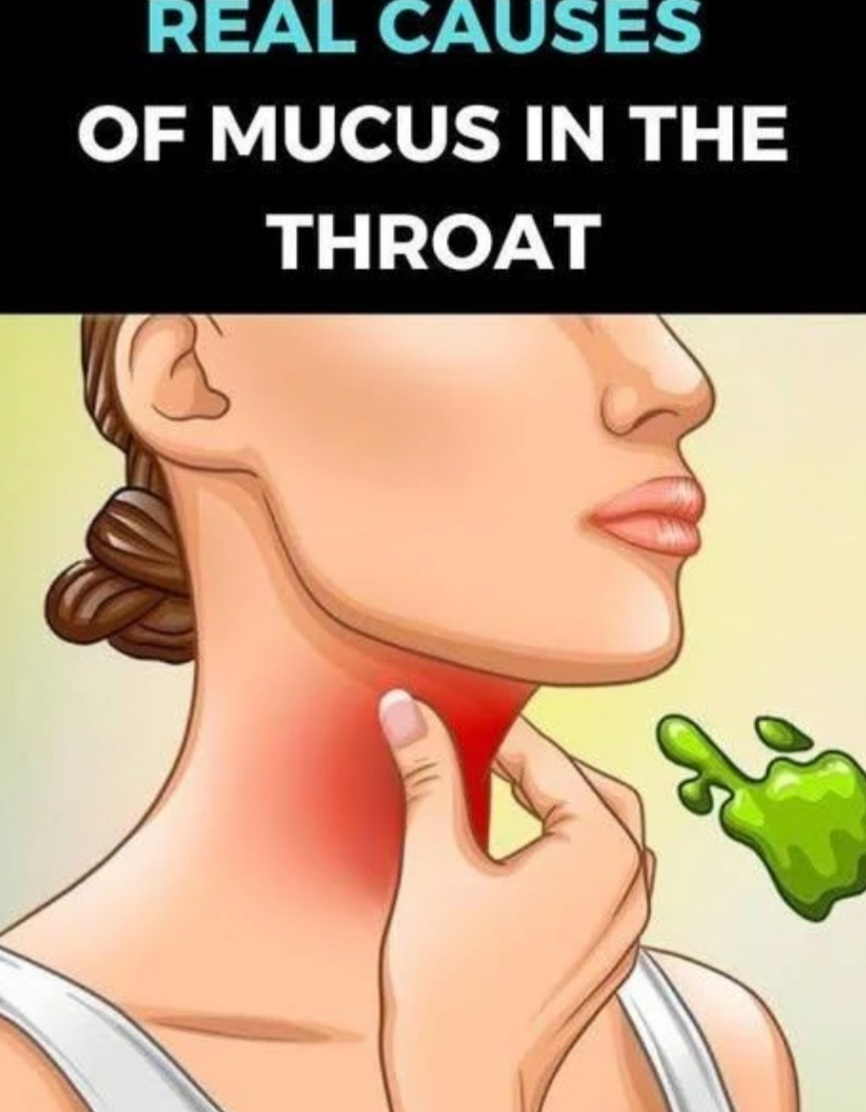
Waking up with a scratchy throat.
That sticky lump in the back of your throat. The endless need to clear your throat — sometimes every few minutes.
If this sounds familiar, you’re not alone.
Mucus is a natural part of your body’s defense system — it traps dust, bacteria, and allergens before they reach your lungs. But when mucus overproduces or drains poorly, it leads to that uncomfortable sensation of constant phlegm in the throat — medically known as postnasal drip.
The good news? 👉 In most cases, it’s not serious — and you can find relief by identifying and addressing the root cause.
Let’s explore what’s really behind that lingering mucus — so you can breathe easier, swallow freely, and finally stop clearing your throat.
Because real comfort isn’t about suppressing symptoms. It’s about understanding why they’re there — and responding wisely.
🔍 What Is Phlegm vs. Mucus?
💡 When people say “I have too much mucus,” they’re usually feeling postnasal drip — excess mucus draining from the nose and sinuses down the back of the throat.
🧪 7 Common Causes of Excess Throat Mucus
1. Allergies (Hay Fever / Allergic Rhinitis)
- Pollen, dust mites, pet dander trigger immune response
- Leads to runny nose, sneezing, and constant mucus production
- Often worse in spring or fall
✅ Relief: Antihistamines, nasal corticosteroid sprays, HEPA filters
2. Non-Allergic Rhinitis
- Chronic runny nose without allergies
- Triggered by:
- Weather changes
- Strong smells (perfume, smoke)
- Spicy foods
- Medications (like blood pressure drugs)
🩺 No cure, but manageable with saline rinses and avoiding triggers
3. Sinus Infections (Acute or Chronic Sinusitis)
- Viral or bacterial infection causes thick yellow/green mucus
- Symptoms: Facial pain, pressure, congestion, bad breath
- Lasts >10 days or recurs frequently
🩺 See a doctor if symptoms persist — may need antibiotics (for bacterial cases)
4. GERD (Gastroesophageal Reflux Disease)
- Stomach acid flows back into the esophagus and throat
- Triggers mucus production as a protective reflex
- Often worse at night or after meals
📌 Called “LPR” (laryngopharyngeal reflux) when it affects the throat — sometimes without heartburn
✅ Relief: Elevate head while sleeping, avoid late eating, reduce acidic/spicy foods
5. Cold, Flu, or Respiratory Infections
- Viruses increase mucus production to trap germs
- Starts clear, may turn yellow/green as immune cells fight infection
- Usually resolves in 7–14 days
🚫 Don’t rush to antibiotics — most are viral and don’t need them
6. Dry Air & Dehydration
- Dry indoor air (especially in winter) irritates nasal passages
- Thickens mucus, making it harder to clear
- Dehydration reduces fluid volume, leading to stickier phlegm
💧 Solution: Humidifier + drink more water
7. Smoking or Vaping
- Smoke irritates the airways, triggering chronic mucus production
- Damages cilia (tiny hairs that clear mucus)
- “Smoker’s cough” is the body trying to clear built-up phlegm
🚭 Quitting is the single best way to reduce throat mucus long-term
✅ How to Reduce Mucus Naturally
🍵 Try: Warm tea with lemon and honey — soothes throat and helps thin secretions
Over-the-Counter Options (Use Wisely)
⚠️ Avoid decongestant sprays (like oxymetazoline) for more than 3 days — risk of rebound congestion.
🚨 When to See a Doctor
Don’t ignore these red flags:
- Mucus lasting more than 3 weeks
- Green/yellow mucus with fever or facial pain (possible sinus infection)
- Blood in phlegm
- Hoarseness or voice changes >2 weeks
- Difficulty swallowing or breathing
🩺 A primary care provider or ENT specialist can diagnose underlying issues like chronic sinusitis, vocal cord problems, or GERD.
❌ Debunking the Myths
Final Thoughts
You don’t need to live with that nagging lump in your throat.
While mucus is normal, constant phlegm isn’t something you just have to accept.
So next time you’re clearing your throat again… pause.
Ask yourself:
What’s really causing this?
Then take one small step — drink water, try a saline rinse, adjust your pillow height.
Because real relief isn’t about quick fixes. It’s about listening to your body — and giving it what it needs to heal.
And that kind of peace? It starts with one deep, clear breath